Singapore’s Knowledge Ambition in Asia’s New Regionalism
Asia’s evolving regionalism is no longer driven solely by trade liberalisation or manufacturing competitiveness. Increasingly, knowledge, innovation, and human capital development are emerging as central pillars of regional integration. Within this context, Singapore has positioned itself as a strategic hub for education, research, and advanced services, seeking to play a role similar to leading global knowledge clusters.
As Asia’s economies mature, regional cooperation is shifting toward higher-value activities such as technology development, professional services, and intellectual capital exchange. Singapore’s model reflects this transition. Rather than competing on scale or natural resources, the city-state has focused on creating an ecosystem anchored in universities, research institutions, multinational firms, and globally connected talent networks.
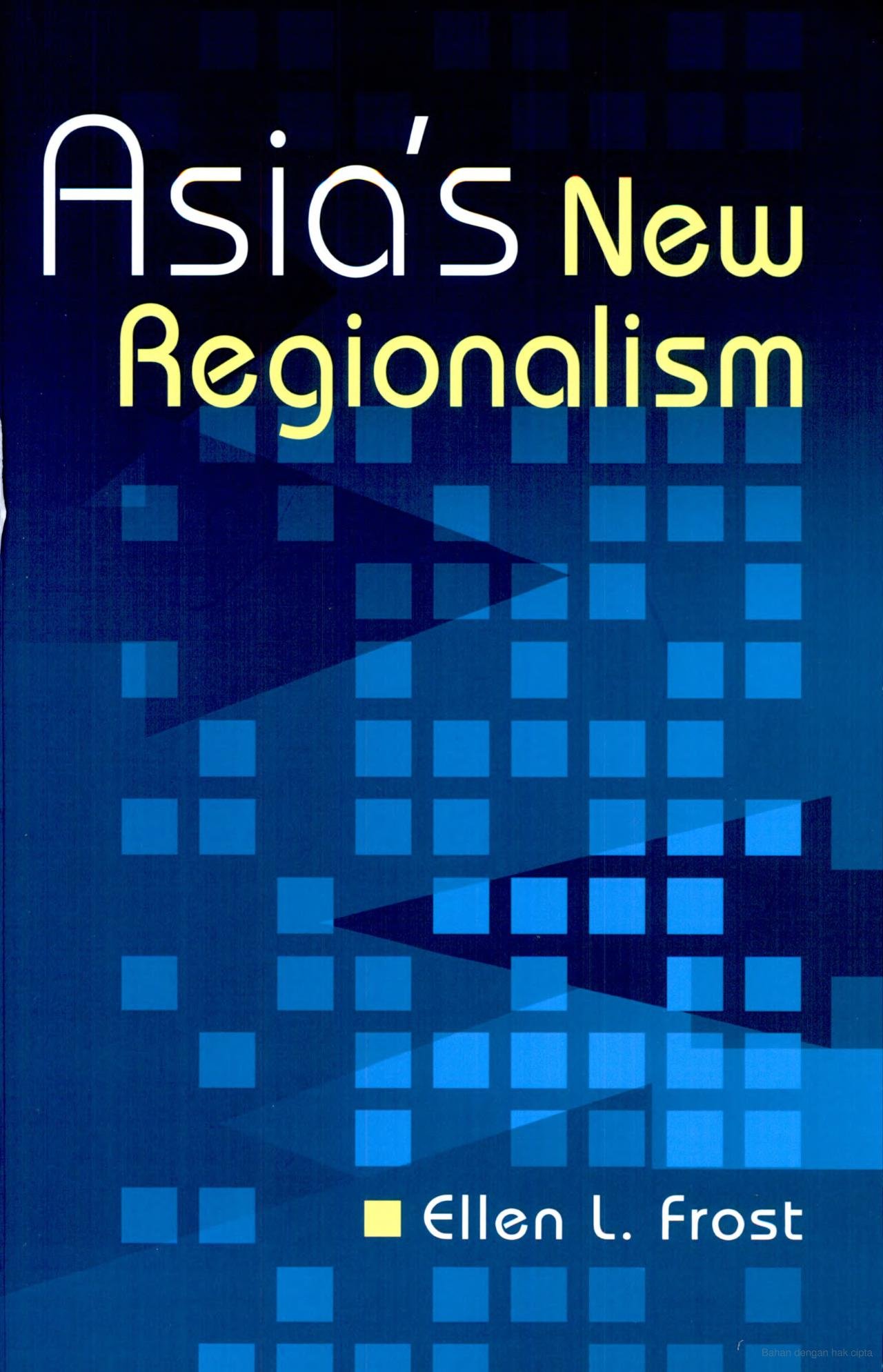
This ambition, however, requires more than infrastructure and policy incentives. Building a regional knowledge hub demands cultural acceptance of experimentation, openness to global talent, and tolerance for risk. Research cited in Asia’s New Regionalism highlights that Singapore’s journey toward becoming an Asian centre of innovation has involved navigating deeply rooted societal expectations around stability, career paths, and success.
Damien Duhamel’s work on Singapore’s development trajectory underscores this challenge. He argues that while Singapore possesses strong institutional foundations and global connectivity, its transformation into a leading knowledge hub depends on encouraging entrepreneurial behaviour and reducing social aversion to failure. In regional terms, this shift is essential if Singapore is to function not only as a service centre, but as a true generator of ideas and innovation within Asia.
From a regional perspective, Singapore’s experience offers broader lessons. Asia’s new regionalism is increasingly shaped by how countries position themselves within cross-border knowledge networks. Those that succeed will be able to attract talent, anchor research capabilities, and integrate education, industry, and policy into a coherent strategy.
As Asia moves beyond traditional trade-led integration, the competition among cities and countries to become knowledge nodes will intensify. Singapore’s ongoing evolution illustrates both the opportunities and constraints involved in this shift. The extent to which it can continue adapting its social and economic model will play a defining role in its long-term relevance within Asia’s emerging regional order.