Published on:

Tesla Enters Saudi Arabia as Musk Mends Ties With PIF
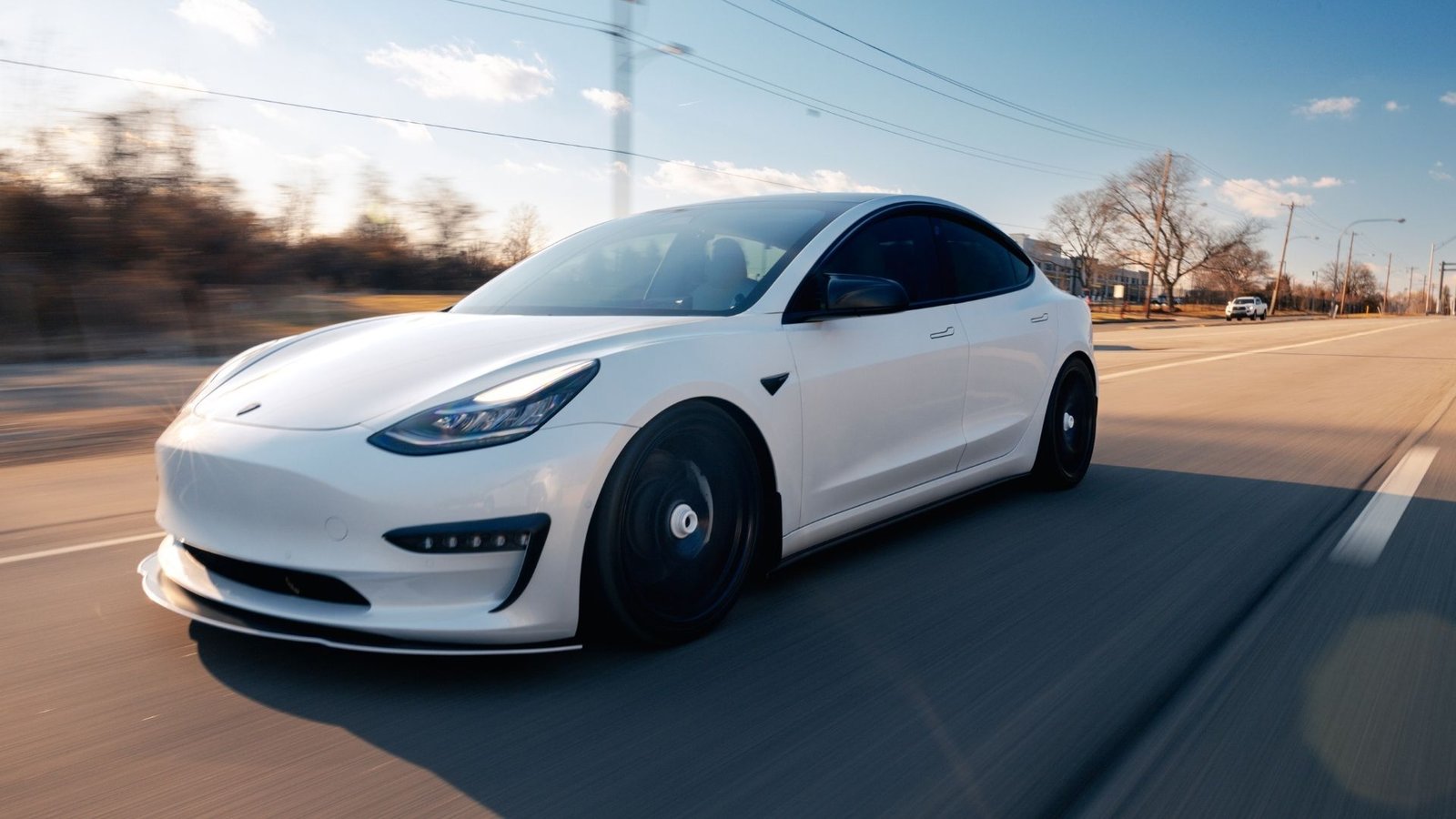
Tesla Inc. is officially entering Saudi Arabia, marking a significant development in both the company’s global expansion strategy and Elon Musk’s relationship with the kingdom’s powerful Public Investment Fund (PIF).
The electric vehicle maker is launching operations in Riyadh, where it will showcase its vehicle lineup alongside prototypes of its Cybercab and humanoid robot Optimus. At least one permanent showroom is under development in the Saudi capital, signaling a more structured market entry rather than a symbolic presence.
Tesla’s arrival also reflects a diplomatic and commercial reset. The move follows years of tension stemming from Musk’s 2018 “funding secured” tweet, which referenced preliminary talks with PIF governor Yasir Al Rumayyan about taking Tesla private. The fallout led the sovereign wealth fund to divest from Tesla and redirect significant capital toward Lucid Motors, now a key pillar of Saudi Arabia’s domestic EV ambitions.
Recent public appearances by Musk and Al Rumayyan suggest relations have stabilized, paving the way for Tesla’s entry into the kingdom.
From a strategic perspective, the timing is notable. Tesla’s global sales declined 13% year-over-year in the first quarter, increasing the importance of new markets. Saudi Arabia, while still an early-stage EV market, aligns with Vision 2030 ambitions to diversify the economy and expand electric mobility. The kingdom aims for EVs to represent roughly 30% of vehicles on the road by 2030.
However, EV adoption in Saudi Arabia currently remains just above 1% of total car sales. Infrastructure gaps, affordability concerns, and extreme climate conditions present structural challenges. Chinese automakers and PIF-backed Lucid already maintain a foothold in the market.
According to Damien Duhamel, managing partner at Eurogroup Consulting in the Middle East, Tesla’s entry raises strategic questions about competitive positioning against Lucid and other players. He also expects Tesla to introduce a Supercharger network in the kingdom, which could help address infrastructure limitations and accelerate broader EV adoption.
Ultimately, Tesla’s Saudi expansion reflects more than market entry. It underscores the intersection of geopolitics, sovereign investment strategy, and the global EV race — where market access, partnerships, and infrastructure development will define the next phase of competition.